
What is Nodding Off?
What Does Nodding Off Mean? Drugs, Signs and Overdose Risk
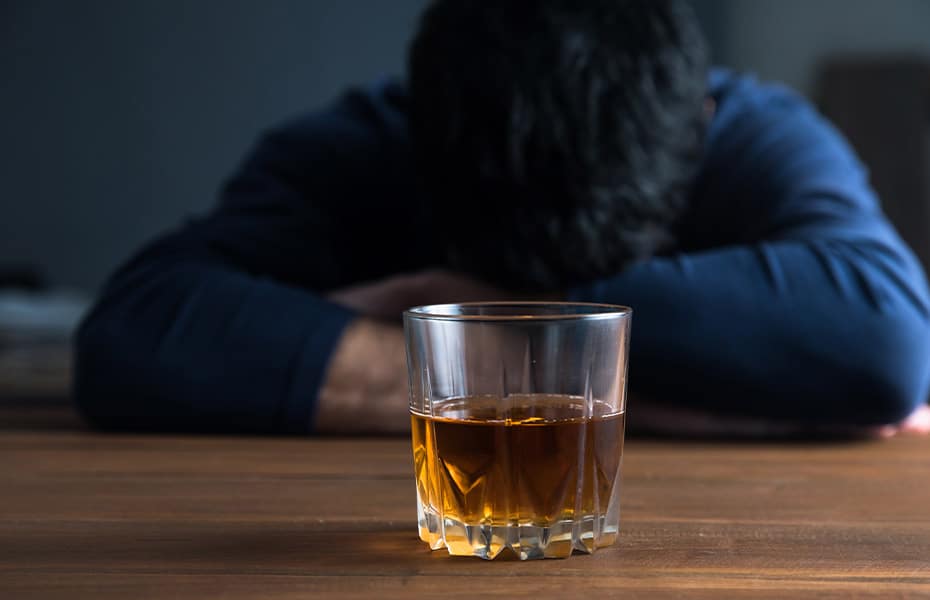
Nodding off is a term used to describe the repeated cycle of falling into and out of consciousness caused by opioid or other depressant drug use. A person who is nodding off may appear to fall asleep mid-sentence, while sitting upright, or even while standing, only to jolt awake briefly before drifting off again. It is one of the most recognizable outward signs of opioid intoxication, and in some cases, it can signal the early stages of an overdose.
If you’ve noticed a loved one doing this, your concern is justified. While it might look like they’re simply tired, nodding off in the context of drug use is a sign that their central nervous system is being significantly suppressed. Understanding what causes it, which drugs are involved, and when it crosses into dangerous territory can help you respond appropriately.
What Does Nodding Off Mean?
Nodding off, sometimes called “nodding out” or “being on the nod,” happens when someone takes a dose of a depressant drug that’s strong enough to push their body toward unconsciousness without fully knocking them out. The person drifts in and out of a semi-conscious state, often with their head dropping forward (the “nod”), before catching themselves and briefly waking up.
This is different from ordinary drowsiness. When someone nods off from drug use, they may mumble incoherently, lose track of their surroundings, or appear confused when they come to. The episodes can last seconds or minutes, and they often repeat in a cycle. The person may not fully realize what’s happening or how impaired they appear to others.
The effect is caused by how opioids and other depressants interact with the brain. These drugs bind to receptors that regulate pain, pleasure, and arousal. At high enough doses, they suppress brain activity to the point where the person can no longer maintain full consciousness, but not so much that they pass out entirely. That in-between state is what nodding off looks like from the outside.
What Drugs Cause Nodding Off?
Opioids are the most common cause of nodding off. These drugs bind to opioid receptors in the brain and produce powerful sedation, pain relief, and euphoria. At higher doses, the sedation becomes strong enough to cause the characteristic nod.
Opioids that frequently cause nodding off include:
Other central nervous system depressants can also cause nodding, though it’s less common. Benzodiazepines like Xanax, Valium, and Klonopin produce sedation that can look similar to opioid nodding, especially at high doses or when combined with other substances. Mixing opioids with benzodiazepines or alcohol significantly increases the risk of nodding off and overdose.
Is Nodding Off Dangerous?
Yes. Nodding off is a visible sign that the brain is being significantly suppressed, and it carries real physical risks even when it doesn’t progress to a full overdose.
When someone is in this state, their breathing slows down. Opioids depress the respiratory system, and during nodding episodes, oxygen levels can drop low enough to cause damage to the brain and other organs over time. This is especially concerning for people who nod off repeatedly over weeks or months of heavy use.
There are also immediate physical dangers. People who nod off while standing can fall and injure themselves. Nodding off while driving, cooking, or operating any kind of equipment can lead to serious accidents. If someone nods off while eating, they can choke. And if they vomit while semi-conscious, there’s a risk of aspiration.
As tolerance builds, users need increasingly larger doses to achieve the same effects. This escalation is what makes nodding off particularly dangerous over time. The margin between a dose that causes nodding and a dose that causes a fatal overdose narrows with continued use.
Can Nodding Off Be a Sign of Overdose?
Nodding off doesn’t always mean someone is overdosing, but it can be one of the first visible signs. The distinction often comes down to whether the person can be roused. If you can wake them up by calling their name or shaking their shoulder, they’re likely intoxicated but not in immediate danger. If they can’t be woken up, this is a medical emergency.
Other signs of an opioid overdose to watch for alongside nodding include:
- Pale, bluish, or grayish skin, especially around the lips and fingernails
- Limp body and very weak or absent movements
- Extremely slow, shallow, or stopped breathing
- Slow or faint heartbeat
- Gurgling or choking sounds
- Pinpoint (very small) pupils
- Inability to speak or respond
If you suspect an overdose, call 911 immediately and administer naloxone (Narcan) if it’s available. Naloxone can temporarily reverse the effects of an opioid overdose and restore breathing, but it wears off quickly, so emergency medical care is still essential. Position the person on their side to prevent choking and stay with them until help arrives.
When Nodding Off Points to a Bigger Problem
An isolated instance of nodding off might not mean someone has an addiction. But if it’s happening regularly, or if the person is using opioids in ways they didn’t intend to (higher doses, more frequently, or from non-prescribed sources), it’s a strong indicator that their use has progressed beyond their control.
Other signs that opioid use may have become an addiction include needing larger doses to feel the same effect, experiencing withdrawal symptoms when not using, continuing to use despite negative consequences at work or in relationships, and spending increasing amounts of time obtaining, using, or recovering from the drug.
If you’re seeing these patterns in yourself or someone you care about, treatment can help. The Massachusetts Center for Addiction in Quincy, MA offers opioid addiction treatment that includes medication-assisted treatment (MAT) with medications like Suboxone and naltrexone, along with individual and group therapy. We also offer specialized programs for heroin addiction and fentanyl addiction.
Our treatment options include partial hospitalization (PHP), intensive outpatient (IOP), and outpatient care, so you can get the level of support that fits your situation. We accept most major insurance plans, and our admissions team is available 24/7 at 844-486-0671 for a free, confidential conversation.
Frequently Asked Questions
Nodding off refers to the repeated cycle of drifting in and out of consciousness caused by opioid or depressant drug use. The person may appear to fall asleep while sitting or standing, briefly wake up, then drift off again. It is one of the most recognizable signs of opioid intoxication.
Opioids are the most common cause, including heroin, fentanyl, oxycodone, hydrocodone, morphine, and codeine. Benzodiazepines and other central nervous system depressants can also cause nodding, especially at high doses or when mixed with other substances.
It can be. Nodding off doesn’t always mean someone is overdosing, but it is one of the early warning signs. If the person cannot be woken up, has very slow or stopped breathing, or has blue-tinted skin or lips, call 911 immediately and administer naloxone (Narcan) if available.
When someone is simply tired, they can usually be easily woken and will stay awake once alert. Drug-induced nodding off involves a cycle of losing and regaining consciousness that the person often can’t control. They may mumble, appear confused, or be unaware of their surroundings during episodes.
Try to keep them awake and alert. If they can be roused, help them stay sitting upright and monitor their breathing. If they cannot be woken, their breathing is very slow, or their skin appears blue or gray, call 911 immediately. Administer naloxone if available and place them on their side to prevent choking.
Not necessarily from a single instance, but repeated nodding off is a strong indicator of regular opioid use at doses high enough to cause significant impairment. If it’s happening frequently, alongside other signs like tolerance, withdrawal symptoms, or loss of control over use, it likely points to an addiction that needs professional treatment.


Contact Us

Address
Quincy, MA 02169


Start your recovery with
Massachusetts Center for Addiction
Our team is available 24 hours a day, 7 days a week to answer any questions you may have. Give us a call today and begin your journey toward long-term recovery.