Massachusetts Center for Addiction
Cocaine Addiction Treatment in Massachusetts

Massachusetts Center for Addiction treats cocaine addiction in Quincy, Massachusetts, through two outpatient levels of care: a partial hospitalization program (PHP) and an intensive outpatient program (IOP). You attend treatment during the day and go home at night.
Cocaine does not usually require a medical detox, so many clients start treatment with us directly. There is no medication approved for cocaine addiction. Treatment is therapy-based, and it works best with daily structure in the first weeks, when the crash and the cravings are strongest.
To talk through your situation, call 844-486-0671 or verify your insurance online.
How Cocaine Addiction Is Treated at MCA
- Partial hospitalization program (PHP): about six hours of structured care a day, five days a week. This is the usual starting point, because the first weeks without cocaine are when cravings and low mood are hardest.
- Intensive outpatient program (IOP): about three hours a day, three to five days a week. Many clients keep working during IOP.
- Dual diagnosis care: treatment for depression, anxiety, ADHD or trauma alongside the cocaine use. These often sit underneath stimulant use.
- Virtual treatment: a secure video track for clients who cannot travel to Quincy every day.
Therapy uses cognitive behavioral therapy (CBT), dialectical behavior therapy (DBT) and motivational interviewing. For cocaine the work is specific: identifying the people, places, money and moods that set off a craving, and practicing what you will do instead.
Do You Need Detox First?
Usually not. Stopping cocaine does not cause the dangerous physical withdrawal that alcohol, benzodiazepines or opioids do.
What it does cause is a crash: exhaustion, long hours of sleep, low mood, irritability and strong cravings. This can last from a few days to a few weeks. Our post on the cocaine comedown explains what to expect.
Two situations change the answer. If you also drink heavily or use opioids or benzodiazepines, you may need a medical detox for those. And if the crash brings thoughts of suicide, you need urgent help: call or text 988.
We do not provide medical detox or inpatient care at our Quincy center. If you need either first, our admissions team refers you to an accredited facility and schedules your start with us afterward.
What Treatment Looks Like Week to Week
The first weeks
Energy and mood are low and cravings come in waves. Daily attendance in PHP gives the week a fixed shape while your sleep and appetite recover.
The middle weeks
Therapy turns to triggers and routines. Cocaine use is often tied to drinking, to certain friends or to work pressure, so the plan covers those directly. Co-occurring depression, anxiety or ADHD is assessed and treated.
Stepping down
Most clients spend 30 to 45 days in PHP, then move to IOP while they return to work. Before you finish, you have a relapse-prevention plan, follow-up appointments and, where it helps, a place in sober living.
Signs It Is Time to Get Help
- You use more, or more often, than you planned to.
- You use cocaine every time you drink.
- You spend money on it that you need for other things.
- You feel flat, anxious or depressed for days after using.
- You have chest pain, a racing heart, nosebleeds or jaw clenching.
- You have tried to stop and started again within weeks.
Two risks are worth knowing. Using cocaine with alcohol puts extra strain on the heart. And cocaine can contain fentanyl, which causes overdoses in people who have never used opioids. Chest pain after using cocaine is a reason to call 911.
To learn more about how cocaine addiction develops and its effects, see our overview.
Paying for Cocaine Addiction Treatment
Most commercial insurance plans cover PHP and IOP as standard levels of substance use treatment. Admissions verifies your benefits before you enroll and tells you what you would pay. You can start the insurance check online or read our guide to paying for rehab, which covers options if you are uninsured.
Cocaine Addiction Treatment Near Quincy and Across Massachusetts
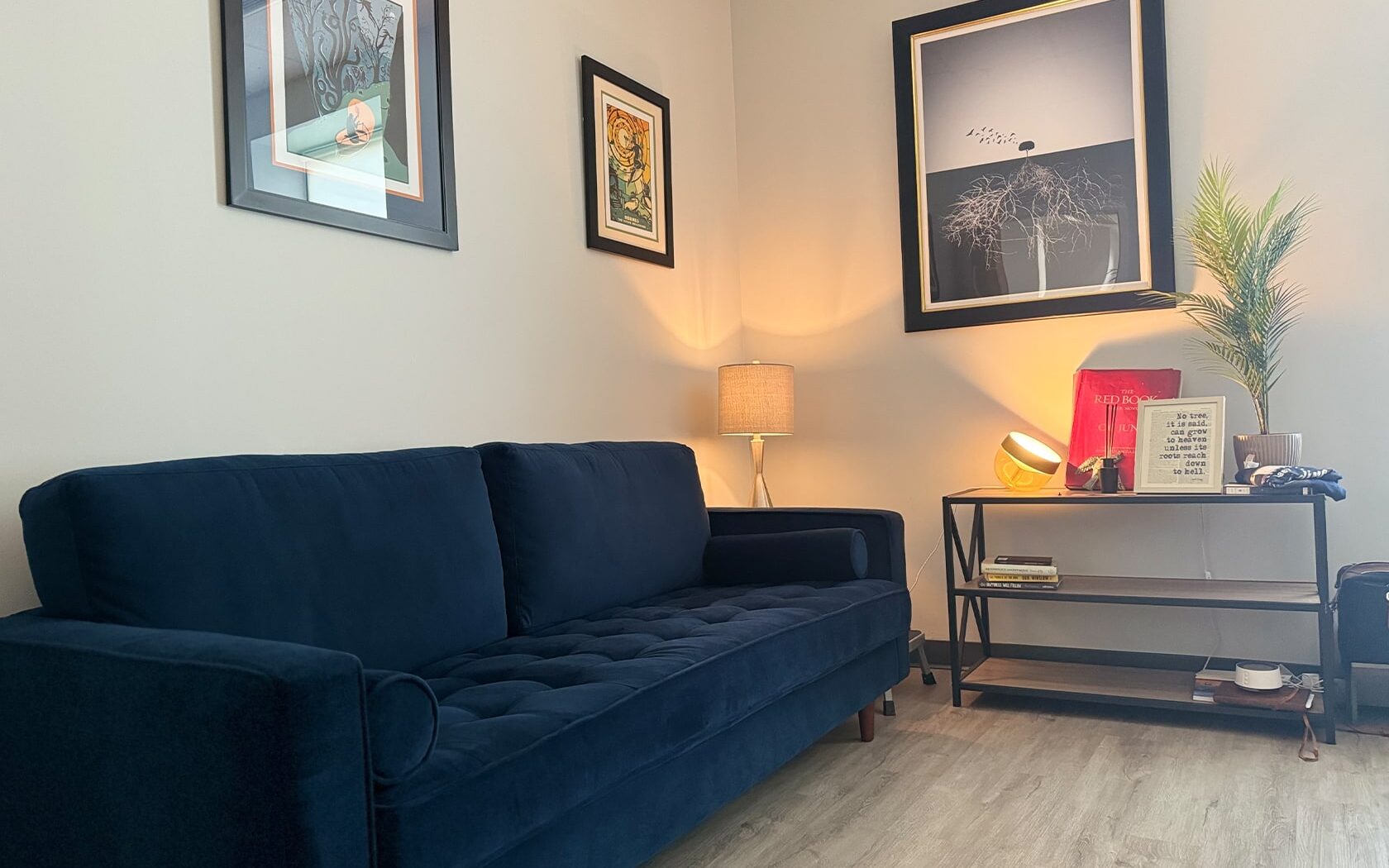
Our programs run in person at 1515 Hancock Street, Suite 300, Quincy, MA 02169, a short walk from the Quincy Center MBTA station on the Red Line and Commuter Rail and minutes from I-93 and Route 3.
Clients come from Boston, Dorchester, Milton, Braintree, Weymouth and across the South Shore. See the full list of areas we serve. If the daily trip is not realistic, ask admissions about the virtual track.
Common Questions About Cocaine Addiction Treatment
Behavioral therapy. There is no FDA-approved medication for cocaine addiction, so treatment is built on approaches such as cognitive behavioral therapy and motivational interviewing, delivered in a structured program. Medication may be used for depression, anxiety or sleep problems alongside it.
Most of our clients spend 30 to 45 days in PHP and then step down to IOP. The length is set by weekly clinical reviews, and support such as therapy and recovery meetings usually continues after that.
Usually not. Cocaine withdrawal is not medically dangerous in the way alcohol or benzodiazepine withdrawal is, so many clients start PHP directly. If you also drink heavily or use opioids or benzodiazepines, you may need detox for those first, and we will help you arrange it.
There is no single reliable figure, because studies define recovery differently. Research consistently shows that people who stay in treatment longer do better, and that relapse is common and does not mean treatment has failed.
Most often, health insurance. Commercial plans cover PHP and IOP as standard levels of care. Our admissions team verifies your benefits before you enroll, and our paying for rehab guide covers options if you are uninsured.
It can be. Fentanyl has been found in cocaine sold in Massachusetts, and people who do not use opioids have no tolerance to it. Carrying naloxone is sensible if you or someone you know uses cocaine.
Get Started
Call 844-486-0671 or verify your insurance online. Admissions will ask what you are using and how much, confirm your coverage, and tell you whether you can start PHP directly.
This page describes our program and is not medical advice. If you are having a medical emergency, call 911. For mental health crisis support, call or text 988.