
Dec 26, 2025
Mixing Alcohol and Prescription Pills
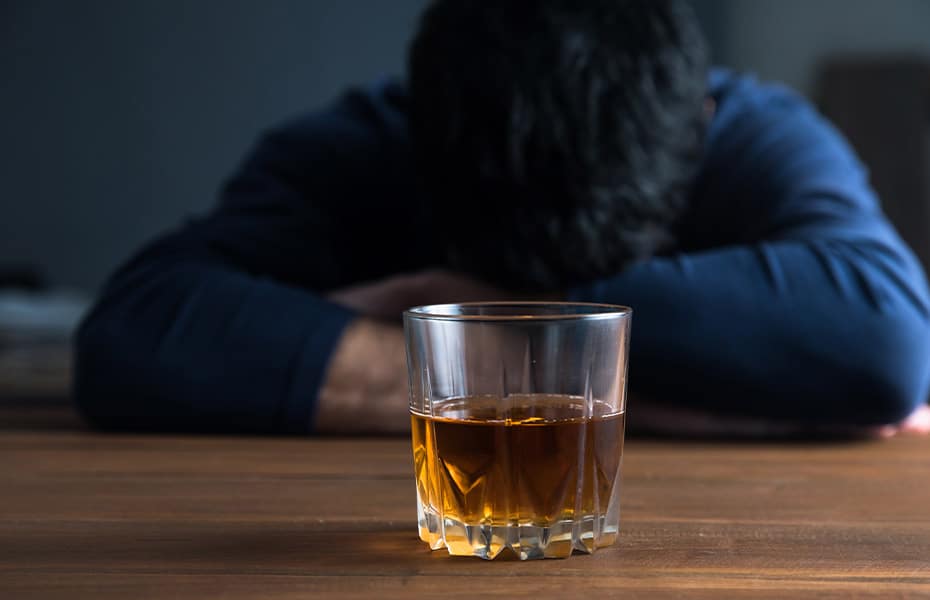
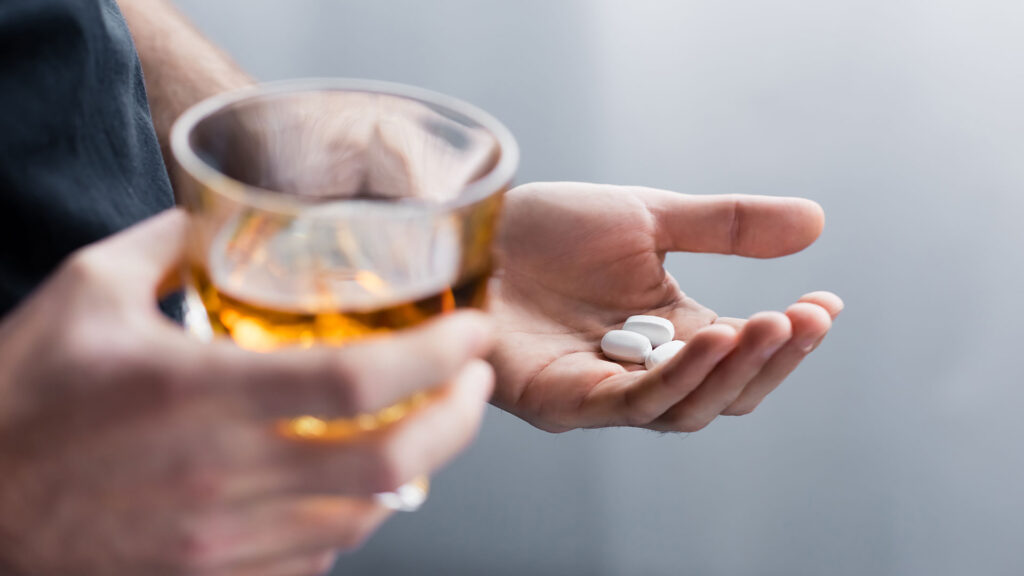
Many people assume that prescription medications are safe to use—even with alcohol—because a doctor prescribed them. This belief can lead to a dangerous and sometimes fatal misunderstanding. Mixing alcohol and prescription pills significantly increases the risk of overdose, addiction, and serious health complications.
Whether the medication is for pain, anxiety, or sleep, combining it with alcohol creates effects your body is not designed to handle. Understanding how these substances interact can help you make safer choices and recognize when it’s time to seek professional help.
What Happens When You Mix Alcohol and Prescription Drugs?
Alcohol and prescription medications are processed through the liver and the central nervous system. When both are present, these systems can become overwhelmed.
Alcohol can slow how the liver breaks down medication, causing higher drug levels to remain in the bloodstream longer. At the same time, the brain and respiratory system may become dangerously suppressed. This combination increases the risk of confusion, loss of consciousness, and slowed or stopped breathing.
Medications that already affect the nervous system are especially dangerous when mixed with alcohol. Even small amounts can trigger severe reactions without warning.
Prescription Drugs That Are Especially Dangerous With Alcohol
Some combinations pose a much higher risk than others. Common high-risk pairings include:
- Benzodiazepines and alcohol: Medications such as Xanax, Ativan, and Valium slow brain activity. Alcohol amplifies this effect, increasing the risk of blackouts, accidents, and respiratory failure.
- Opioids and alcohol: Prescription painkillers like oxycodone or hydrocodone already suppress breathing. When combined with alcohol, the risk of overdose and death rises sharply.
- Sleep medications and alcohol: Drugs such as Ambien or Lunesta are meant to be taken alone. Alcohol intensifies their sedative effects, making unconsciousness more likely.
While these combinations are particularly dangerous, any prescription drug mixed with alcohol can be harmful. There is no completely “safe” pairing.
Understanding Polydrug Use and Why It’s So Risky
Using more than one substance at a time is known as polydrug use. Many people do not realize they are engaging in it.
Some individuals intentionally combine substances to intensify effects. Others do so unintentionally—taking anxiety medication before drinking, or having alcohol with prescribed pain medication after surgery.
Over time, the body adapts. Tolerance builds, meaning more alcohol or pills are needed to feel the same effect. As dosages increase, so does the risk of dependence, overdose, and long-term health damage. Polydrug use is also closely linked to anxiety, depression, and sleep disorders, making recovery more complex without professional care.
Warning Signs That Mixing Substances Has Become Dangerous
Polydrug use does not always look obvious at first. Common warning signs include:
- Blackouts or memory gaps after drinking
- Excessive sleep or difficulty waking up
- Slurred speech or poor coordination
- Mood swings or increased irritability
- Hiding or misusing prescription medications
- Needing more pills or alcohol to relax
- Withdrawal symptoms when not using
These signs often indicate more than temporary side effects. They can signal a growing dependence that deserves attention.
If any of these symptoms feel familiar, confidential help is available.
Overdose Risk When Alcohol and Pills Are Combined
One of the most serious dangers of mixing alcohol and prescription drugs is overdose. Because both substances can suppress breathing, oxygen levels may drop quickly and without warning.
Someone experiencing an overdose may appear to be asleep but will not respond to touch or sound. Breathing may become slow, shallow, or stop entirely. Skin, lips, or fingertips may turn blue, and the heartbeat may weaken.
This is a medical emergency. Call 911 immediately if you suspect an overdose. Massachusetts offers Good Samaritan protections for those who seek emergency help during overdose situations.
Treatment for Alcohol and Prescription Drug Use in Quincy, MA
Polydrug use is not a personal failure. It is a serious medical condition that requires professional treatment.
At Massachusetts Center for Addiction, we provide integrated care that addresses both alcohol and prescription drug use at the same time. Our programs are designed to safely manage withdrawal, stabilize physical health, and treat the underlying emotional factors driving substance use.
Treatment options may include medical detox, residential care, and outpatient programs, along with mental health support for anxiety, trauma, or depression. Each plan is personalized to support long-term recovery.
Why Getting Help Early Matters
The earlier polydrug use is addressed, the safer and more effective recovery can be. Waiting increases the risk of medical complications, overdose, and long-term damage to physical and mental health.
Early intervention provides structure, support, and medical oversight before the situation becomes life-threatening. Recovery is possible—and it does not require waiting for things to get worse.
Take the First Step Toward Safer, Healthier Living
Mixing alcohol and prescription drugs puts your health and future at serious risk. Help is available, and recovery can begin today.
At Massachusetts Center for Addiction in Quincy, MA, we offer compassionate, evidence-based treatment for alcohol and prescription drug use. Our team understands the complexities of polydrug addiction and provides confidential care tailored to your needs.
Contact us today to learn more about your treatment options. A safer, healthier life is possible—and it starts with one step.


Contact Us

Address
Quincy, MA 02169


Start your recovery with
Massachusetts Center for Addiction
Our team is available 24 hours a day, 7 days a week to answer any questions you may have. Give us a call today and begin your journey toward long-term recovery.