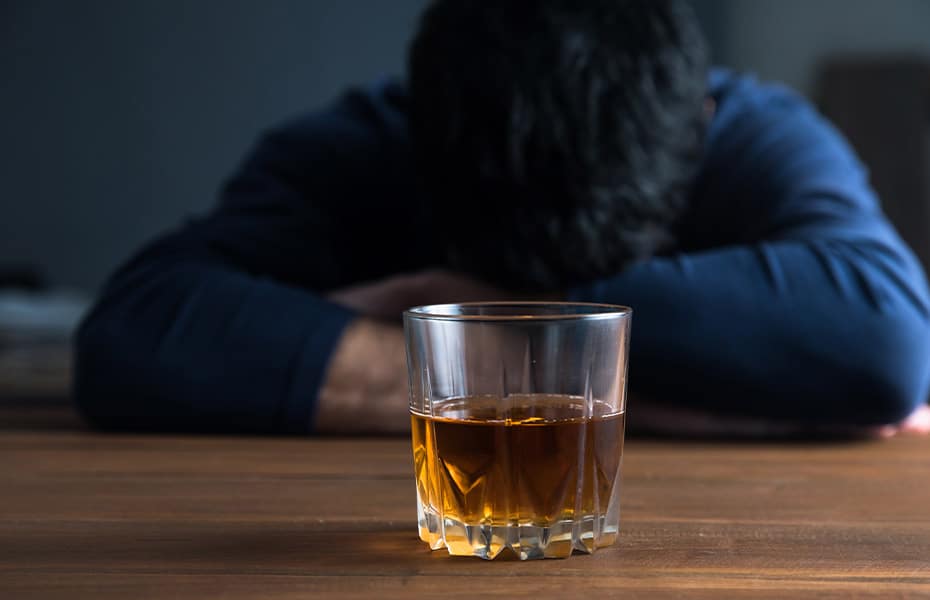

Cocaine Comedown
Cocaine Comedown Symptoms, Timeline, and What Actually Helps
A cocaine comedown is the crash that follows use: exhaustion, low mood, irritability, and cravings as the drug leaves your system. If you are in one right now, the short version is that it passes, mostly within a day or two, and there are a few things that help. This guide covers the timeline, what actually works, and what the comedown tells you about where your use stands.
What a Cocaine Comedown Is
Some people call it a cocaine hangover, but it works differently than alcohol’s version. Cocaine is a short-acting stimulant. It spikes dopamine and norepinephrine hard, wears off within the hour, and leaves the brain temporarily depleted of the chemicals it just spent.
The comedown is that depleted state. Low motivation, flat or depressed mood, anxiety, fatigue, poor concentration, and a strong pull to use again. Add the sleep debt and skipped meals that usually come with a night of use, and the misery compounds.
Cocaine Comedown Timeline
| When | What it feels like |
|---|---|
| 30–90 minutes after last use | The high fades into restlessness, irritability, and the urge to redose |
| Hours 2–12 | Anxiety, flat mood, fatigue that will not turn into sleep, racing thoughts |
| Hours 12–24 | The worst stretch for most people: depression, exhaustion, cravings, oversleeping or broken sleep |
| Days 2–3 | Mood and energy climb back toward baseline; lingering fog and irritability fade |
| After a multi-day binge | A heavier crash: a day or more of sleep, intense hunger, and a low mood that can last most of a week |
The comedown is also the engine of the binge. Redosing relieves the crash for another 30 to 60 minutes, then returns it with interest, which is how a planned one-night use turns into a two-day run. Recognizing that loop while you are in it is half of resisting it.
What Helps and What Makes It Worse
Nothing shortcuts a comedown. Your brain restocks its own chemistry on its own schedule. What helps is removing obstacles: water, real food (protein and complex carbs, even without appetite), a dark quiet room for whatever sleep will come, and low-demand rest for a day.
What makes it worse is treating the crash with another substance. More cocaine restarts the loop. Alcohol produces cocaethylene, a metabolite that strains the heart harder than either drug alone. And using benzodiazepines or opioids to force sleep adds real overdose risk on top of a system already under strain.
Comedown vs Withdrawal
A comedown follows a single episode of use and resolves in a day or two. Withdrawal is what happens when a brain adapted to regular cocaine goes without it: weeks of low mood, disrupted sleep, strong cravings, and a blunted ability to feel pleasure.
The line between them is the tell. If your crashes now bleed into the next use, if the low stretch is the normal state and the high is the exception, that is not a series of comedowns anymore. That is dependence establishing itself.
A Note About the Crash and Your Mood
The depression during a cocaine crash can get dark, and dark thoughts during a crash are a recognized clinical concern, not a personal failing. The crash distorts your read on your own life. If thoughts of harming yourself show up, call or text 988 now; that feeling is a symptom, and it passes as the crash does.
The comedown has physical companions too. The jaw soreness and grinding covered in our coke jaw guide peak in the same window, and in Massachusetts the stimulant supply is increasingly contaminated with fentanyl, which makes “one more to take the edge off” a genuinely dangerous decision.
When Comedowns Become the Pattern
An honest measure: how many Mondays this year have been spent recovering from cocaine? If the answer is climbing, the comedowns are telling you something the highs are hiding. Our cocaine page covers how use progresses and what treatment looks like.
Treatment for cocaine is behavioral and structured, because no medication is approved to treat stimulant addiction: contingency management, CBT, and real accountability. At our center in Quincy that runs through PHP and IOP, with dual diagnosis care for the depression and anxiety that cocaine use so often sits on top of. Call and talk it through: 844-486-0671.
Frequently Asked Questions About Cocaine Comedowns
For a single night of use, the worst of it runs 12 to 24 hours, with mood and energy returning to baseline over two to three days. After a multi-day binge, the crash is heavier and the low mood can last most of a week.
You often cannot at first, because cocaine’s stimulant effects outlast the high. A dark quiet room, no screens, water, and food help sleep arrive when your system allows it. Do not force sleep with benzodiazepines, opioids, or alcohol; combining depressants with a stimulant crash adds real overdose risk.
Cocaine spends your brain’s dopamine and norepinephrine faster than they can be replaced. The depression of the comedown is that depleted state, made worse by lost sleep and skipped meals. It lifts as your brain restocks, usually over one to three days.
No. A comedown follows a single episode and resolves in a day or two. Withdrawal happens when a brain adapted to regular use goes without cocaine, and it lasts weeks: low mood, cravings, disrupted sleep, and blunted pleasure. Crashes that blur into the next use are the sign that comedowns have become withdrawal.
No. The brain replaces its neurotransmitters on its own timeline. Water, food, rest, and time are what work. More cocaine restarts the crash, alcohol creates cocaethylene which strains the heart, and sedatives add overdose risk. Anything marketed as a comedown cure is selling relief it cannot deliver.
Clinically reviewed by Corey Gamberg, LADC II, Executive Director. This article is for educational purposes and is not a substitute for medical advice. If someone shows overdose signs such as chest pain, seizures, or trouble breathing, call 911 now. For mental health crisis support, including dark thoughts during a crash, call or text 988.


Contact Us

Address
Quincy, MA 02169


Start your recovery with
Massachusetts Center for Addiction
Our team is available 24 hours a day, 7 days a week to answer any questions you may have. Give us a call today and begin your journey toward long-term recovery.