
Dec 31, 2025
Why Outpatient Rehab for Prescription Drug Addiction Is Often the Best Fit
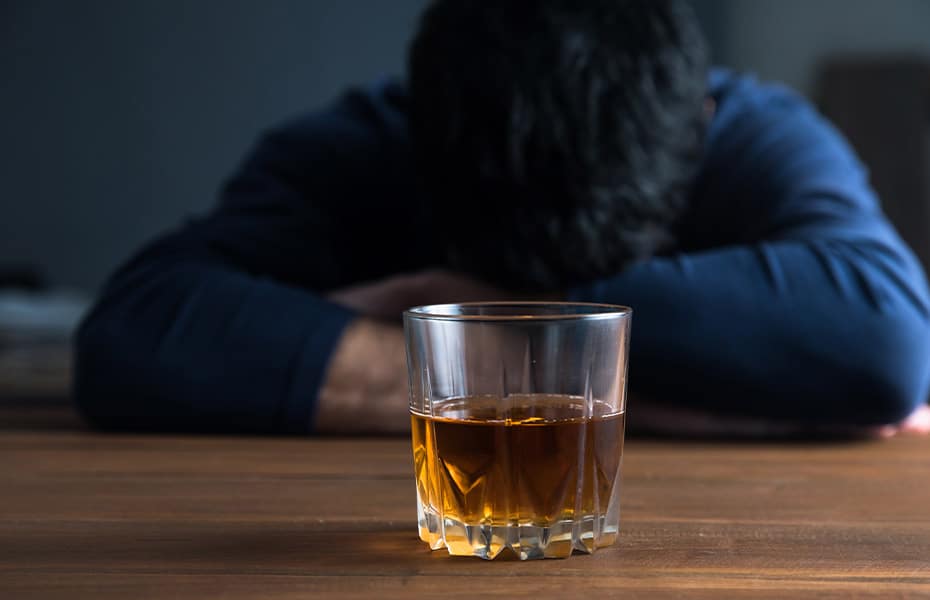
Prescription drug addiction affects millions of Americans, including students, parents, and working professionals. Medications such as opioids, benzodiazepines, and stimulants are often prescribed for legitimate medical reasons. Over time, however, these drugs can lead to dependence and misuse.
When someone realizes they need help, one of the first questions they face is what type of treatment makes sense. For many people, outpatient rehab for prescription drug addiction offers the most effective and realistic path to recovery—without stepping away from work, family, or daily life.
In Quincy, Massachusetts, outpatient programs at Massachusetts Center for Addiction are designed to provide structured, compassionate care while supporting real-world responsibilities.
Understanding Prescription Drug Addiction
Prescription drug addiction does not always look dramatic or obvious. It often develops quietly. Someone may begin taking higher doses than prescribed, using medication longer than intended, or relying on pills to manage stress, sleep, or emotional discomfort.
Over time, the brain adapts to these substances, creating both physical dependence and psychological reliance.
Common prescription drugs associated with addiction include:
- Opioids such as oxycodone, hydrocodone, and morphine
- Benzodiazepines like Xanax, Ativan, and Valium
- Stimulants such as Adderall and Ritalin
Without treatment, prescription drug misuse can lead to serious health complications, strained relationships, legal issues, and overdose. Early intervention plays a critical role in preventing these outcomes.
What Is Outpatient Rehab for Prescription Drug Addiction?
Outpatient rehab allows individuals to receive addiction treatment while continuing to live at home. Unlike inpatient programs, outpatient care does not require a full-time stay at a treatment facility.
Instead, clients attend scheduled therapy and clinical sessions during the day or evening, then return to their normal routines. This model provides structure while allowing individuals to remain connected to their responsibilities.
Outpatient prescription drug rehab may include:
- Individual therapy with licensed clinicians
- Group therapy for peer support and accountability
- Medication-assisted treatment when clinically appropriate
- Education on relapse prevention and coping strategies
Levels of care can range from partial hospitalization to intensive outpatient programs (IOP) to standard outpatient treatment, depending on individual needs.
Why Outpatient Rehab Works So Well for Prescription Drug Addiction
Outpatient rehab is often effective because it reflects real life. Many people struggling with prescription drug misuse are not able—or do not need—to step away from their lives entirely to heal. Treatment happens alongside daily responsibilities, which helps recovery feel practical and sustainable rather than disruptive or overwhelming.
Flexibility Without Losing Structure
Outpatient programs offer scheduled care that fits into daily life. Treatment can happen around work, school, or family obligations rather than replacing them. This balance helps individuals stay engaged in recovery without creating additional stress or instability.
Real-World Application of Skills
Recovery does not happen in isolation. Outpatient care allows individuals to practice coping skills in real time. When challenges arise at work or at home, those experiences can be processed in therapy and turned into learning opportunities rather than setbacks.
Ongoing Support Systems
Remaining at home allows individuals to stay connected to supportive family members, friends, and community resources that strengthen recovery. These relationships often play a key role in accountability, encouragement, and emotional stability throughout the healing process.
More Affordable and Accessible
Outpatient rehab is typically more cost-effective than inpatient care and is often covered by insurance. This makes treatment more accessible for many people who may otherwise delay or avoid getting help due to financial concerns.
Personalized, Adaptive Care
Outpatient treatment plans evolve as recovery progresses. Support can increase during difficult periods or step down as stability improves. This flexibility ensures care remains appropriate and responsive rather than one-size-fits-all.
Is Outpatient Treatment the Right Choice?
Outpatient prescription drug rehab is not the right fit for everyone. It works best for individuals who:
- Have a stable and supportive home environment
- Are motivated to engage in treatment
- Do not require 24-hour medical supervision
- Can manage withdrawal safely with clinical support
A professional assessment is the best way to determine the appropriate level of care. At Massachusetts Center for Addiction, each individual receives a thorough evaluation to ensure outpatient treatment is a safe and effective option. When higher levels of care are needed, referrals are provided.
What to Expect from Prescription Drug Abuse Treatment
Recovery involves more than stopping medication use. Effective prescription drug abuse treatment focuses on understanding why misuse developed in the first place.
Therapy helps address contributing factors such as stress, trauma, anxiety, chronic pain, or untreated mental health conditions. Clients learn healthier coping strategies and build routines that support long-term stability.
Outpatient care may also include support with sleep, nutrition, and non-addictive pain management. Treatment teams often include therapists, medical providers, and case managers working together to support recovery from multiple angles.
Don’t Wait to Get Help
Prescription drug addiction rarely resolves on its own. Waiting often allows the problem to deepen and become more disruptive.
Outpatient rehab for prescription drug addiction offers a proven, flexible path to recovery—right here in Quincy, MA. With the right support, it is possible to regain control without putting life on hold.
At Massachusetts Center for Addiction, treatment is tailored to your goals, lifestyle, and challenges. Our team is here to guide you through every step of the process with compassion and respect.
Reach out today to learn more about outpatient treatment options. Recovery is possible, and help is available now.

Contact Us

Address
Quincy, MA 02169


Start your recovery with
Massachusetts Center for Addiction
Our team is available 24 hours a day, 7 days a week to answer any questions you may have. Give us a call today and begin your journey toward long-term recovery.