
Kratom Is Now Banned in Massachusetts
As of August 28, 2026, kratom is a Schedule I controlled substance in Massachusetts. The shops that sold it have to stop, and if you take it every day, your supply just ended on a date somebody else picked.
That is the part of this story the news coverage has mostly skipped. For anyone physically dependent on kratom or 7-OH, a sales ban is a countdown to withdrawal rather than a policy debate, and the countdown has now run out.
What the Massachusetts Kratom Ban Actually Does
The Department of Public Health published an emergency regulation on August 13, 2026, temporarily placing kratom in Schedule I under state law. The regulation is 105 CMR 726.000, and it took effect after a 14-day notice period.
| Question | Answer |
|---|---|
| Current status | In effect since August 28, 2026 |
| What is covered | All forms of kratom, including powders, tablets, capsules, gummies, and dissolvable strips |
| Is 7-OH included | Yes. The state order covers kratom products broadly, including those with concentrated 7-hydroxymitragynine |
| Legal classification | Schedule I under MGL c. 94C |
| How long it lasts | Up to one year, while the state decides on a permanent approach |
| Who enforces it | Local boards of health and municipal officials, with authority over retailers |
| Is it being challenged | Yes. Four retailers sued in Suffolk County Superior Court on August 23, 2026 to block it. The case is pending |
The Massachusetts order goes further than the federal approach. The DEA moved in July to schedule concentrated 7-OH while leaving botanical kratom below certain thresholds alone. Massachusetts drew no such line, which is why the corner store product and the gas station shot are both covered.
Four Retailers Are Suing to Overturn the Ban
Five days before the ban took effect, four Massachusetts shops filed suit in Suffolk County Superior Court asking a judge to block it. The plaintiffs are stores in Salem, North Billerica, Quincy, and Bellingham, and the defendants are the Department of Public Health and Commissioner Robbie Goldstein.
Their argument is procedural rather than medical. They say the commissioner lacked the authority to schedule kratom this way, that DPH did not satisfy the state’s requirements for an emergency order, and that the order should have been limited to concentrated derivatives instead of every form of the plant.
No hearing had been scheduled when the ban took effect, and the order is in force while the case proceeds. It is worth knowing this is unsettled, and it is also worth not planning around it. A court could restore sales next month or leave the ban standing for its full year, and neither outcome changes what your body does this week.
Why This Matters If You Use Kratom Daily
Kratom acts on the same brain receptors as opioids. Its main alkaloids, mitragynine and 7-hydroxymitragynine, produce tolerance and physical dependence with regular use, and 7-OH is substantially more potent at those receptors than mitragynine.
Plenty of people started taking it for energy, pain, or to get off opioids, and did not consider themselves dependent until they tried to stop. If you have ever gone a day without it and felt like you were coming down with the flu, that was withdrawal, and your body already told you what this week is going to feel like.
The concentrated 7-OH products that moved into Massachusetts stores over the past two years raise the stakes. They are far stronger at opioid receptors than leaf kratom, and state officials have pointed out that shoppers often cannot tell the potency or the ingredients from the label.
What Kratom Withdrawal Looks Like
Massachusetts DPH describes kratom withdrawal as resembling opioid withdrawal, listing anxiety, agitation, muscle spasms, runny nose, hot flashes, loss of appetite, and diarrhea. Most people also report insomnia, sweating, and a low mood that outlasts the physical symptoms.
Timing varies with how much you take, how long you have taken it, and whether the product was concentrated. The general shape looks like this.
| Time since last dose | What tends to happen |
|---|---|
| 6 to 12 hours | First symptoms appear. Restlessness, runny nose, sweating, cravings, trouble sleeping |
| 1 to 3 days | Usually the hardest stretch. Muscle aches, stomach upset, hot and cold flashes, anxiety, irritability |
| 4 to 7 days | Physical symptoms ease for most people. Sleep and appetite start to return |
| Week 2 and beyond | Low mood, low energy, and cravings can linger. This is the stage where people most often go back |
That last row is the one worth planning around. The physical part of kratom withdrawal is unpleasant but usually finishes inside a week, while the flat, unmotivated stretch afterward is what sends people looking for a bottle. Our post on post-acute withdrawal covers what to expect there, the kratom withdrawal timeline goes deeper on the first week, and the 7OH withdrawal timeline covers the concentrated products specifically.
If You Have Already Run Out
Some people stocked up before the 28th and have a few weeks left. Others walked into their usual store this week and found nothing. If you are in the second group, you are in withdrawal or about to be, and you did not choose the timing.
That distinction matters less than it feels like it does right now. Whether you have a supply left or none at all, the useful move is the same one, which is getting assessed by someone who can tell you what your particular situation needs. A taper, a medically supervised detox, and medication support are all different answers, and an assessment is what sorts them out.
Kratom withdrawal is not usually life threatening the way alcohol or benzodiazepine withdrawal can be. It is still uncomfortable enough that stopping without support often does not hold, which is not a character flaw, just what happens when nothing is in place to make it manageable.
Two situations need medical attention rather than willpower. If you are also using opioids, alcohol, or benzodiazepines, stopping several substances at once carries real risk. And if you have a heart condition, a seizure disorder, or you are pregnant, talk to a clinician before you stop anything.
One more thing worth naming. Some people who lose a kratom supply go looking for something else that works on the same receptors, and in Massachusetts that often means the illicit opioid supply, which is contaminated with fentanyl. That substitution is how a supplement problem becomes an overdose risk, and it is a reason to make the call now rather than in two weeks.
What Actually Helps
Because kratom acts on opioid receptors, the treatments developed for opioid use disorder apply. Massachusetts DPH states directly that medications used to treat opioid use disorder, including buprenorphine, have been found effective for treating kratom use disorder.
That matters because it means this is a treatable medical condition with an established playbook, not something you have to white-knuckle. Medication can take the edge off withdrawal and reduce cravings while the rest of treatment does its work.
For heavier or longer-term use, a short medically supervised detox is often the right starting point, followed by structured treatment. For lighter use, a taper with clinical guidance and outpatient support may be enough. An assessment is what tells you which one you are.
Getting Help in Massachusetts
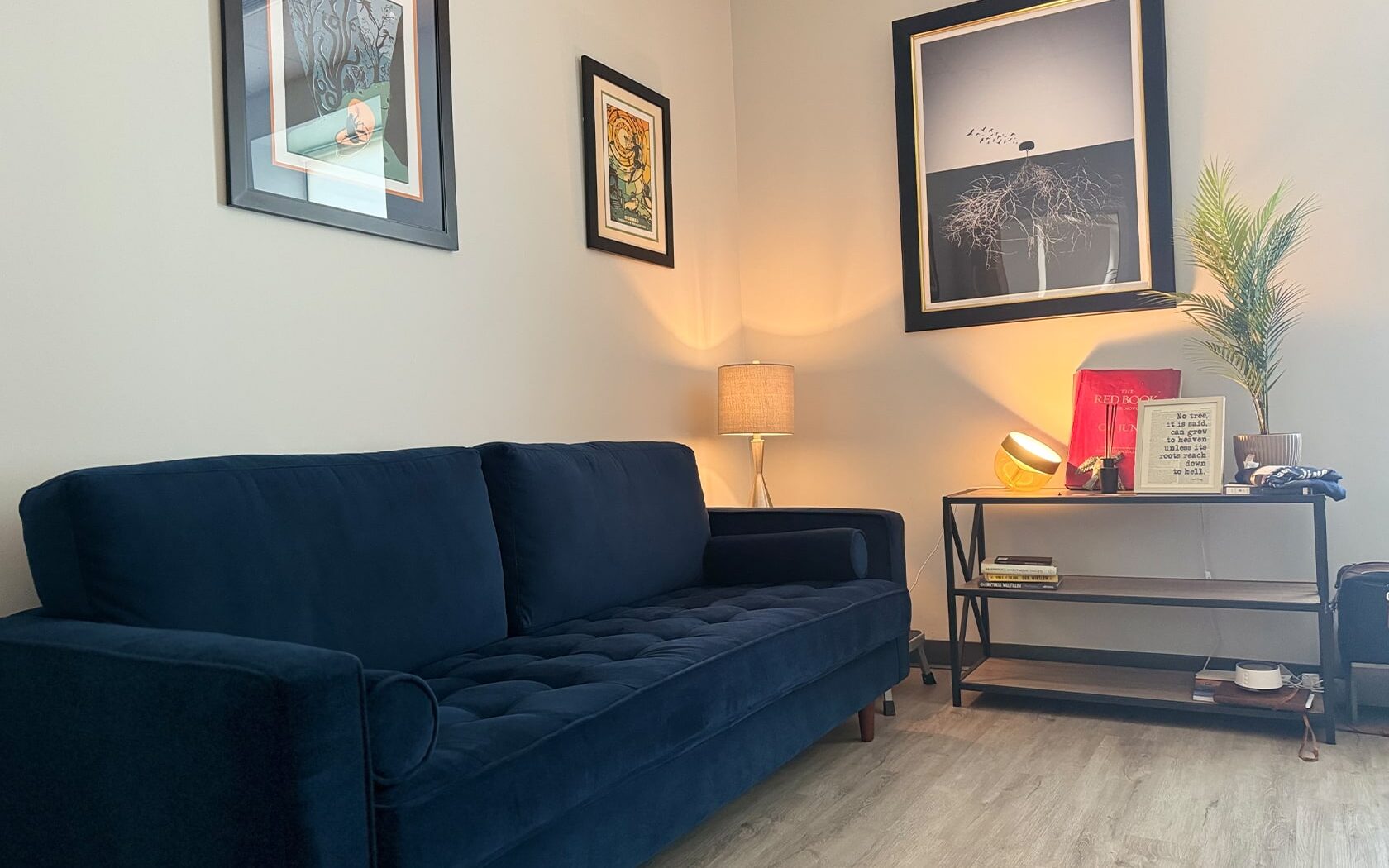
Massachusetts Center for Addiction treats kratom and 7-OH dependence from our office at 1515 Hancock Street in Quincy. Our admissions team assesses what you are taking, verifies your insurance, and coordinates direct admission to an accredited detox facility when withdrawal needs medical supervision.
When detox ends, treatment with us begins. That includes our partial hospitalization and outpatient programs, therapy that addresses why the kratom was doing a job for you, and medication support where it is clinically appropriate. Our kratom addiction treatment page covers the full continuum.
We accept most major commercial insurance, in network and out of network, and our admissions team can verify your benefits on the phone before you commit to anything. Call 844-486-0671.
The state also runs the Massachusetts Substance Use Helpline around the clock. Call or text HOPE to 800-327-5050 for free, confidential help finding services anywhere in the state.
The date has passed and the decision got made for you. What is still yours to decide is whether the next week happens with support or without it, and that part takes one phone call.
Frequently Asked Questions About the Massachusetts Kratom Ban
August 28, 2026. The Department of Public Health published the emergency regulation on August 13, 2026, and it took effect after a 14-day notice period. The order remains in place for up to one year while the state considers a permanent approach.
No. Since August 28, 2026, all forms of kratom sit in Schedule I under Massachusetts law, which restricts sale statewide. This includes powders, tablets, capsules, gummies, and dissolvable strips. Four retailers have sued to overturn the order and that case is still open, so the position could change.
It is possible. Four retailers filed suit in Suffolk County Superior Court on August 23, 2026, asking a judge to block enforcement on the grounds that the health commissioner lacked the authority and that the order sweeps in all kratom rather than concentrated derivatives. No hearing had been scheduled when the ban took effect, and the order is in force while the case proceeds. Anyone who is physically dependent is better served by making a treatment plan than by waiting on the outcome.
Yes. The Massachusetts order covers kratom products broadly, including those containing concentrated 7-hydroxymitragynine. This is wider than the federal approach, where the DEA moved to schedule concentrated 7-OH while leaving botanical kratom below certain thresholds outside the action.
The state’s stated enforcement focus is retail sales, and the order gives local boards of health and municipal officials authority to act against retailers. Questions about individual legal exposure should go to an attorney, since Schedule I placement changes a substance’s status under state law. What is certain is that buying it in Massachusetts is no longer an option, which is the practical problem for anyone who takes it daily.
Symptoms usually begin 6 to 12 hours after the last dose and peak within the first three days. Physical symptoms ease for most people by day four to seven. Low mood, low energy, and cravings can continue for several weeks, which is the stage when people most often return to use.
Kratom withdrawal on its own is not usually life threatening the way alcohol or benzodiazepine withdrawal can be, but it is difficult enough that attempts to stop without support often do not hold. It needs medical attention if you are also using opioids, alcohol, or benzodiazepines, or if you have a heart condition, a seizure disorder, or you are pregnant. A clinical assessment can sort out which situation applies to you.
Most major commercial insurance plans cover substance use treatment, and Massachusetts Center for Addiction works with plans both in network and out of network. Our admissions team can verify your specific benefits over the phone before you commit to anything. Call 844-486-0671.
Last updated August 28, 2026. Clinically reviewed by Corey Gamberg, LADC II, Executive Director. This article is for educational purposes and is not a substitute for medical or legal advice. If you are experiencing a medical emergency, call 911. For mental health crisis support, call or text 988.
Sources
- Massachusetts Department of Public Health: Kratom (105 CMR 726.000)
- Office of Governor Healey: Action on Dangerous Kratom Products (August 13, 2026)
- WBUR: Retailers sue to halt Mass. kratom ban days before it takes effect (August 27, 2026)
- Mayo Clinic: Kratom and its risks
- National Institute on Drug Abuse: Kratom
- Massachusetts Substance Use Helpline

Contact Us

Address
Quincy, MA 02169


Start your recovery with
Massachusetts Center for Addiction
Our team is available 24 hours a day, 7 days a week to answer any questions you may have. Give us a call today and begin your journey toward long-term recovery.