
What is Hangxiety
Hangxiety and Why You Feel Anxious After Drinking
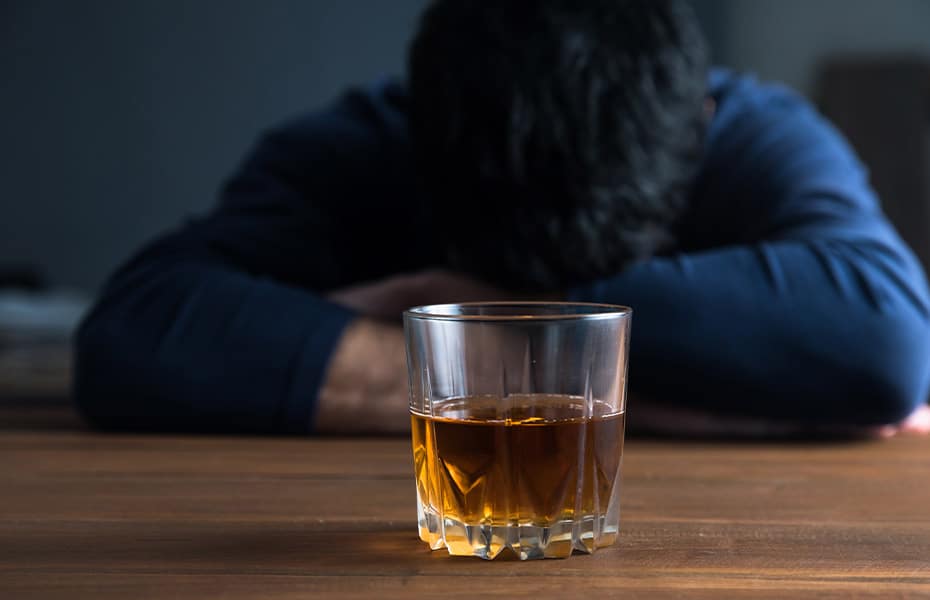
It is 3 a.m. after a night of drinking and you are wide awake, heart pounding, replaying everything you said and bracing for consequences that probably do not exist. By morning the dread has a physical texture: racing pulse, tight chest, a conviction that something is deeply wrong.
There is a name for this, and better yet, an explanation. Hangxiety is real, it is chemical before it is psychological, and understanding it is the first step to making it stop.
What Is Hangxiety?
Hangxiety is the anxiety that arrives during a hangover, anywhere from a few hours to a full day after drinking. It ranges from vague unease to full panic symptoms, often with a loop of embarrassment and self-criticism about the night before.
It is not an official diagnosis, but the phenomenon is well documented in hangover research, and the NIAAA lists anxiety among the recognized symptoms of alcohol hangover. In other words, you are not imagining it, and you are far from alone in it.
Why Alcohol Causes Anxiety the Next Day
Alcohol feels relaxing because it boosts GABA, the brain’s main calming signal, and suppresses glutamate, its main excitatory one. Your brain treats that as an imbalance to correct: it dials its own calming system down and its excitatory system up to compensate.
When the alcohol leaves your bloodstream overnight, the compensation is still running with nothing left to push against. The result is a nervous system tilted hard toward alarm, which is exactly what anxiety is chemically.
Stress hormones add a second layer, since cortisol runs elevated during a hangover. And the fragmented, REM-poor sleep that follows drinking removes the one thing that would normally help you regulate all of it.
There is also a personality layer. Researchers at the University of Exeter found that highly shy people experience significantly more anxiety the morning after drinking than their less-shy peers, likely because they are drinking away social inhibition that rebounds with interest.
The same study linked that pattern to higher risk of alcohol use disorder, which makes sense: if alcohol is your social armor, hangxiety is the bill, and the bill keeps growing.
How Long Does Hangxiety Last?
For most people, hangxiety resolves within 24 hours of the last drink, tracking the same arc as the physical hangover. Here is the typical shape:
| Time after last drink | What is happening | How it feels |
|---|---|---|
| 0–6 hours | Blood alcohol falls toward zero; rebound excitation begins | Restless, fragmented sleep; 3 a.m. wake-ups with a racing mind |
| 6–12 hours | GABA-glutamate imbalance at its widest; cortisol elevated | Peak hangxiety: dread, rumination, pounding heart, jumpiness |
| 12–24 hours | Neurochemistry rebalancing; hydration and food help now | Anxiety fades in waves; mood still fragile |
| 24–48 hours | Baseline restored for most people; heavy sessions take the long end | Back to normal, often with lingering tiredness |
| Beyond 48 hours | Persistent anxiety past two days is not typical hangxiety | Consider an underlying anxiety disorder or early withdrawal; see the red-flags section below |
How to Get Rid of Hangxiety
Honest framing first: nothing eliminates hangxiety except time, because your brain is rebalancing on its own schedule. What you can do is stop making it worse and take the edge off while it passes.
Rehydrate with water or electrolytes and eat something, since low blood sugar mimics and amplifies anxiety. Skip the coffee or cut it to half, because caffeine stacks a stimulant on an already over-fired nervous system.
Slow breathing works on the body directly: exhaling longer than you inhale, four counts in and eight out, activates the calming response you are temporarily short on. Gentle movement and daylight help metabolize stress hormones. And name it to tame it: reminding yourself “this is chemistry, it resolves today” measurably loosens the dread’s grip.
The one fix to refuse is another drink. Hair of the dog relieves hangxiety for the same reason a loan relieves debt, and it is the single fastest route from occasional hangxiety to the withdrawal cycle described below. The same honest-answer logic applies to sobering up in general, which we cover in our guide on how to sober up.
Why Hangxiety Gets Worse With Age
If your twenties tolerated nights your thirties now punish, that is physiology, not weakness. Alcohol metabolism slows with age, body water decreases so the same drinks hit harder, and sleep becomes more fragile, which lengthens and deepens the rebound.
Life amplifies the mental half too: the 3 a.m. spiral has more material to work with when a career, kids, or a mortgage are on the other side of the morning.
Many people interpret worsening hangxiety as a signal to drink less, and that is exactly the right read. When cutting back proves harder than expected, that difficulty is its own information, and our page on the stages of alcoholism explains what it may mean.
When Hangxiety Is a Red Flag
Occasional hangxiety after a big night is unpleasant chemistry. Three patterns mean it is something more.
First, if anxiety is significant between drinking sessions and a drink reliably relieves it, that is the anxiety of dependence. If it comes with morning shakiness or sweating, it belongs in the territory of alcohol withdrawal rather than hangover.
Second, if the anxiety shows up on days you have not been drinking at all, there may be an underlying anxiety disorder that alcohol has been masking and inflaming. Alcohol and anxiety feed each other in a well-documented loop, which our post on the connection between anxiety and addiction unpacks.
Third, and simplest: if you keep drinking in situations where hangxiety is the predictable price, and the drinking still wins, that pattern is worth an honest look against the signs of alcoholism.
If that pattern sounds familiar but nothing else feels like a crisis, you may be in the space often called gray area drinking, where a little support now goes a long way.
Breaking the Anxiety and Drinking Cycle
Plenty of people caught in this loop are treating an anxiety problem with a substance that manufactures anxiety, and the way out is treating both at once. That is precisely what our dual diagnosis program and anxiety treatment center in Quincy do, with therapy that replaces alcohol’s job (including CBT, the most extensively studied treatment for both conditions), medication support where appropriate, and outpatient schedules that fit around work.
If any part of the red-flags section sounded like your week, a confidential conversation costs nothing: 844-486-0671.
Frequently Asked Questions About Hangxiety
Hangxiety is the anxiety that shows up during a hangover, from a few hours to a day after drinking. It is caused by the brain rebounding from alcohol’s calming effects: the systems that compensated for alcohol overshoot once it leaves, tilting the nervous system toward alarm. Elevated stress hormones and poor sleep amplify it.
Typically it peaks 6 to 12 hours after the last drink and resolves within 24 hours, sometimes stretching to 48 after heavy sessions. Anxiety that persists past two days, or that appears between drinking sessions, is not ordinary hangxiety and is worth discussing with a professional.
Nothing removes it instantly, but you can take the edge off while your brain rebalances: rehydrate, eat, limit caffeine, get daylight and gentle movement, and use slow breathing with long exhales. Avoid another drink, which resets the cycle and deepens it. Most hangxiety fades within the day.
Yes. Anxiety is a recognized hangover symptom in the research literature, and the mechanism is well understood: alcohol boosts the brain’s calming signals, the brain compensates, and when the alcohol clears, the compensation overshoots into anxiety. Studies also show some people, particularly highly shy people, experience it far more intensely than others.
Sensitivity varies with brain chemistry, baseline anxiety, and personality. Research from the University of Exeter found highly shy people experience significantly more morning-after anxiety, likely because alcohol suppresses their social inhibition and the rebound brings it back amplified. An underlying anxiety disorder, poor sleep, and how much and how fast you drink all raise the intensity too.
Not by itself. Occasional hangxiety after heavy drinking is common chemistry. It becomes a warning sign when it happens most times you drink, when you drink again to relieve it, or when anxiety and shakiness appear between drinking sessions, which points toward withdrawal. If those patterns sound familiar, a confidential assessment can sort out what is going on: call 844-486-0671.
Clinically reviewed by Corey Gamberg, LADC II, Executive Director. This article is for educational purposes and is not a substitute for medical advice. If you are experiencing a medical emergency, call 911. For mental health crisis support, call or text 988.


Contact Us

Address
Quincy, MA 02169


Start your recovery with
Massachusetts Center for Addiction
Our team is available 24 hours a day, 7 days a week to answer any questions you may have. Give us a call today and begin your journey toward long-term recovery.